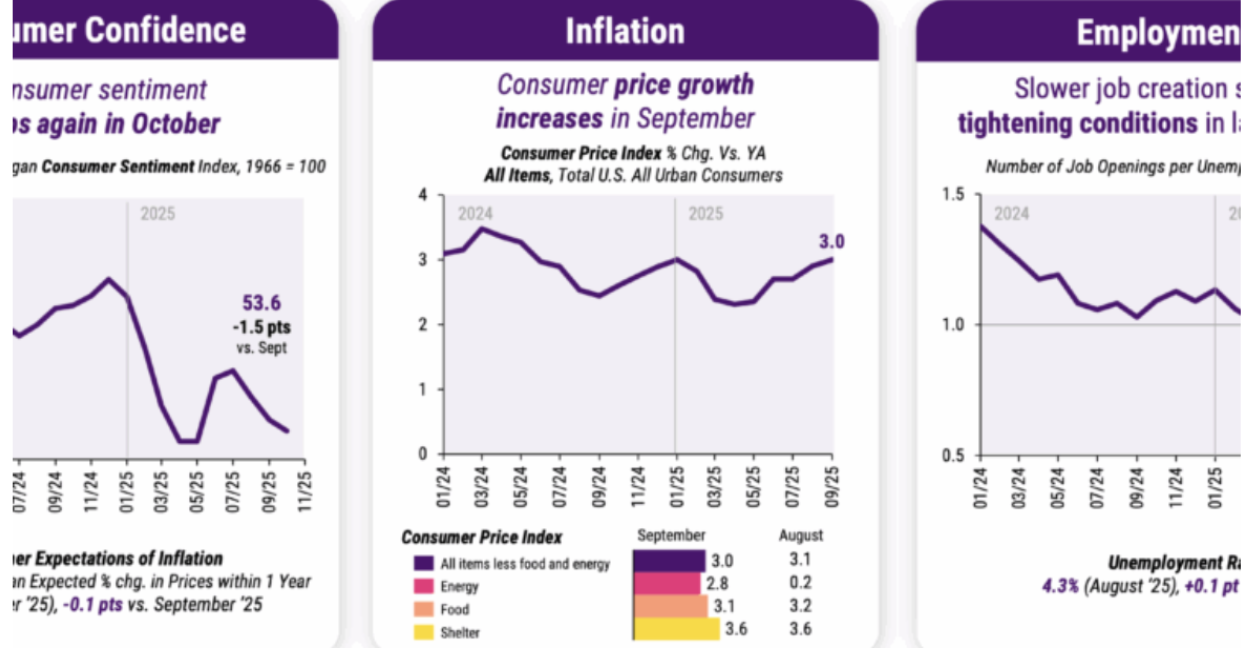
 A recent analysis published in The Licensing Letter points to a cooling period for the food and beverage licensing industry, citing shifts in consumer spending and more cautious decisions by major retailers. The findings reflect the broader economic landscape of 2025, which continues to be shaped by rising food costs, inflation, and uncertainty in the labor market.
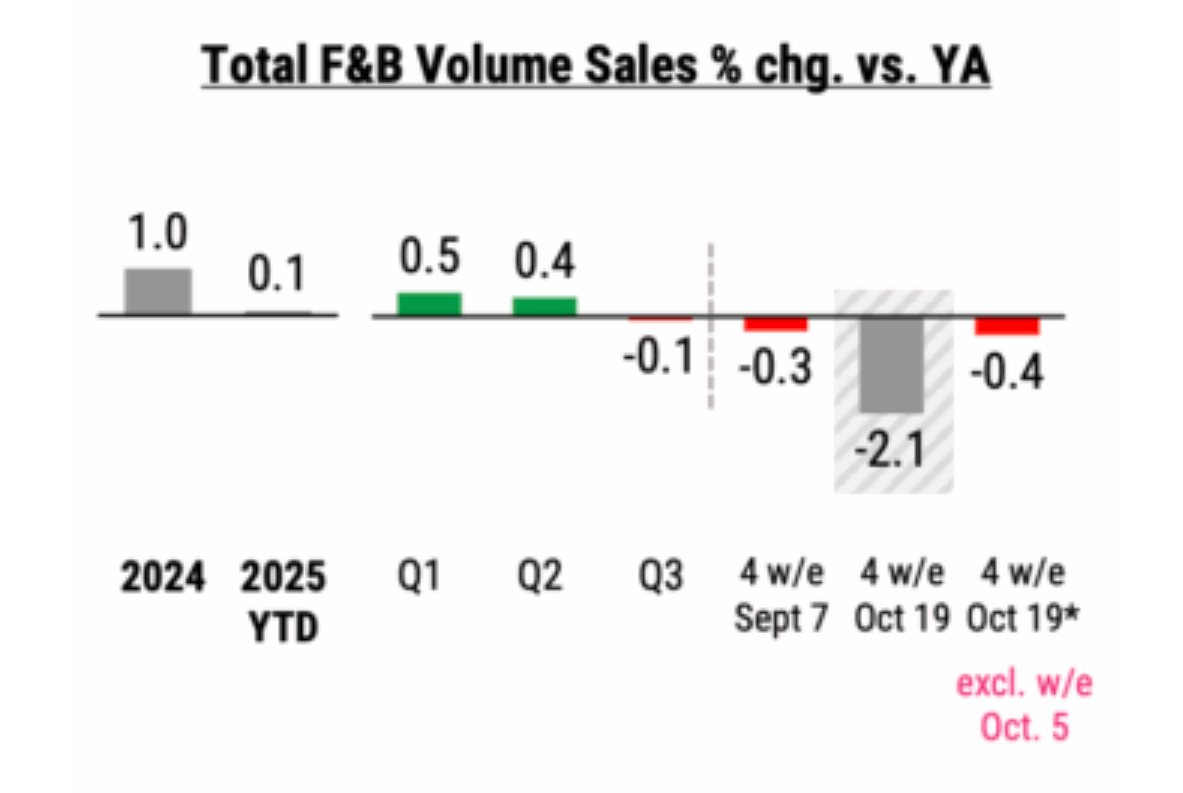
Market research firm Circana reported a modest decline in food product volume this fall, along with steeper drops in general merchandise. Analysts say the numbers support what retailers have been observing for several months: shoppers are prioritizing lower-cost options, including private-label brands, at a higher rate than in recent years.
Peter Cross, vice president of strategic partnerships at Broad Street Licensing Group (BSLG), told the publication that consumers are adjusting their purchasing habits in response to ongoing economic pressures.
“Uncertainty is playing a major role in how consumers make decisions,” Cross said. “People are being more intentional about their purchases, and that naturally impacts licensed products, which are positioned as value-added items.”
Retailers More Selective With New Products
According to the report, retailers are now taking a stricter approach when considering new licensed goods. Instead of focusing solely on brand recognition, buyers are weighing how each item contributes to the category as a whole. Many stores are seeking products that fill specific gaps, improve customer experience, or present a clear advantage over existing offerings.
Manufacturers are also being asked to provide stronger support. Cross noted that retailers expect complete marketing plans, digital engagement strategies, and clear performance projections before taking on new products—requirements that have intensified over the past year.
Private Label Expands, Though Some Licensed Categories Hold Steady
Private-label products continue to gain traction as shoppers look for ways to manage rising grocery bills. The trend is not new, but the current economic environment appears to be accelerating it across multiple categories.
However, the report points out that not all licensed segments are slowing. Products tied to national restaurant brands—such as sauces, marinades, and prepared meals—remain steady. Analysts attribute the stability to consumer interest in replicating familiar restaurant flavors at home.
A Temporary Downturn Expected
Industry observers say the slowdown is likely part of a familiar cycle rather than a long-term decline. Historically, licensed products see reduced activity during periods of economic strain but tend to rebound as conditions improve.
Cross said brands that continue developing thoughtful licensing plans during this period will be well positioned once the market shifts.
“This category naturally swings back,” he said. “When the economic picture becomes clearer, interest in licensed items returns quickly. The brands that stay focused during the tougher periods typically see the strongest gains.”
Next Steps for Brands Watching the Market
As companies take stock of changing consumer behavior and increased retailer expectations, many are re-evaluating the role licensing plays in their growth strategies. Broad Street Licensing Group, which works with national brands across food and beverage, continues to advise companies navigating these shifts.
Businesses interested in learning more about licensing trends and program development can find additional information at bslg.com.