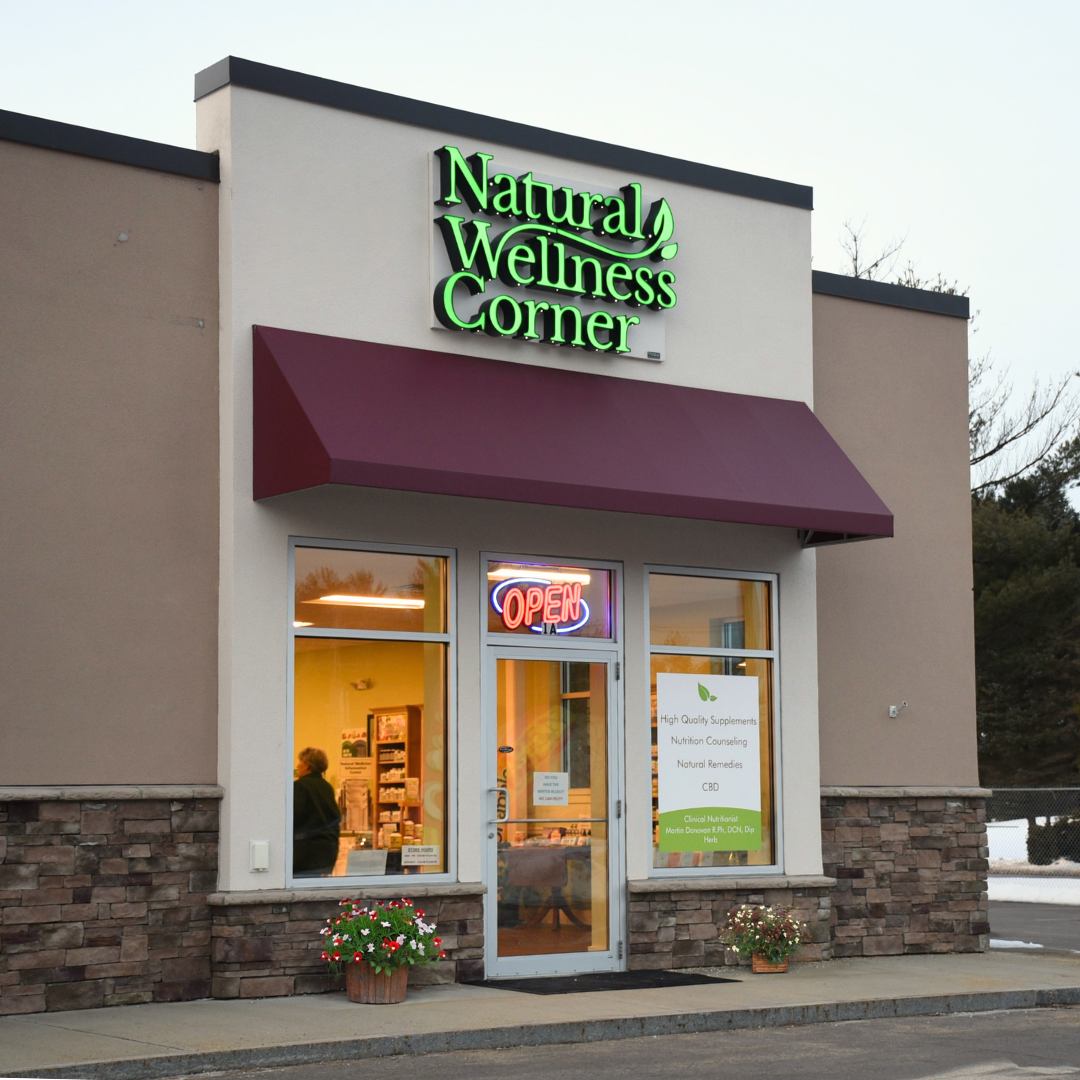
Earlier this month, we spoke with the team at Natural Wellness Corner about something they say comes up often in conversations with clients: how to tell whether a CBD supplement is actually high quality.
CBD has become incredibly popular over the past few years.
You can now find oils, capsules, gummies, and tinctures in pharmacies, wellness shops, and online stores almost everywhere. But with that rapid growth has come a flood of products, and not all of them meet the same standards.
That discussion helped shape a closer look at what consumers should know when evaluating CBD supplements in 2026.
Why Quality Matters
Low-quality CBD supplements can sometimes contain far less CBD than the label claims, or include unwanted contaminants like pesticides or heavy metals.
Higher-quality products, on the other hand, tend to follow a few consistent practices: they use responsibly sourced hemp, clearly label ingredients and potency, and provide independent lab testing.
For consumers, those details make a real difference.
Start With the Hemp Source
Because CBD comes from hemp, the quality of the plant itself matters.
Many experts recommend looking for products made from organically grown hemp, ideally sourced from the United States or Europe where farming standards are more closely regulated. Hemp plants naturally absorb compounds from the soil, so clean growing conditions play a big role in the purity of the final supplement.
Understanding the Different Types of CBD
CBD supplements generally fall into three categories:
Full-spectrum CBD contains CBD along with other naturally occurring compounds from the hemp plant, including trace amounts of THC within legal limits.
Broad-spectrum CBD includes multiple plant compounds but removes THC entirely.
CBD isolate contains only purified CBD with everything else removed.
Each option works a little differently, and consumers often choose based on personal preference or sensitivity.
Look for Third-Party Lab Testing
One of the biggest indicators of a reputable CBD product is independent lab testing.
Trusted brands provide what’s called a Certificate of Analysis, or COA, from a third-party lab. These reports confirm how much CBD is in the product and check for contaminants like pesticides, heavy metals, and bacteria.
“If a company isn’t transparent about testing, that’s something people should take seriously,” said Marty Donovan, Pharmacist, Clinical Nutritionist and founder of Natural Wellness Corner. “Independent lab results are one of the clearest ways consumers can verify what they’re actually getting.”
Check the Ingredients
A good CBD supplement should have a short, clear ingredient list.
Many products use simple carrier oils like MCT oil or hemp seed oil, sometimes with natural flavoring. Products filled with artificial sweeteners, colors, or vague proprietary blends may be worth questioning.
Labels should also clearly list the total milligrams of CBD in the bottle and the amount per serving, making it easier to understand dosing.
Transparency Goes a Long Way
In a fast-growing industry like CBD, transparency often says a lot about a company.
Brands that openly share where their hemp is grown, how their products are extracted, and how they’re tested tend to build more trust with consumers.
A More Informed Approach
As CBD becomes more mainstream, education is becoming just as important as the products themselves.
The insights that shaped this discussion were inspired by recent conversations with the team at Natural Wellness Corner, where nutrition and wellness guidance often includes helping people understand supplements more clearly.